Nutrition coaching
Nutrition that helps you train harder, recover faster and stay consistent.
Your food plan is one part of the coaching package. We focus on the habits, choices and structure that make progress feel easy instead of exhausting.
What is nutrition?
Nutrition is the process by which your body takes in and uses food. The World Health Organization describes it as the intake of food, considered in relation to the body’s dietary needs.
In FRB coaching, nutrition means more than calories. It means fuel for training, nutrients for recovery, and habits that support long-term change.
What I tell clients is simple: nutrition and training must work together. You can train hard, but if your food is not on point, the results will always be limited.
No matter how much you train, if nutrition is not up to the mark, the hard work falls short. FRB is built on 100% workout and 100% nutrition—because both must be dialed in together.
Beginners often make the same mistakes: not eating enough protein, skipping recovery fuel, or assuming cardio alone will fix everything. Without the right nutrition, workout effort gets wasted and results stall.
Nutrition philosophy
Simple, flexible and sustainable
Food is fuel, but it should also be enjoyable. I do not use crash diets, extreme restriction, or rigid rules. The best plan is balanced, realistic, and made to fit your life.
- Balance over perfection
- Sustainable habits for long-term change
- Flexible eating that works with your schedule
- Nutrition that supports training and recovery
What clients will learn
Skills for real progress
- • Portion control made practical
- • Better meal timing for energy
- • Smart grocery choices
- • Reading food labels with confidence
- • Hydration habits that support recovery
- • Mindful eating and meal awareness
- • Eating out without derailing progress
- • Building balanced meals every day
Personalized nutrition
Built for your goals and lifestyle
Plans are created around your goals, daily routine, food preferences, budget, and any dietary needs. This is not a generic diet—it is your plan.
- Goals: fat loss, muscle gain, strength, or recovery
- Daily schedule and training demands
- Food preferences and cultural choices
- Budget and grocery availability
- Allergies and dietary restrictions
Healthy habits
Small actions, big impact
- Drink enough water every day
- Eat enough protein to recover and grow
- Include fruits and vegetables daily
- Choose whole foods whenever possible
- Avoid skipping meals unless it fits your routine
- Prioritize sleep to support nutrition and recovery
Mindset around food
Healthy eating without guilt
- No “good” or “bad” foods—only choices that serve your goals.
- Treats are allowed in moderation.
- Focus on consistency, not perfection.
- Build a healthy relationship with food.
Progress beyond weight loss
Results that go deeper
- Better energy and recovery
- Improved digestion
- Stronger sleep and focus
- Increased strength and performance
- More consistent daily habits
Practical support
Guidance you can use every week
- Meal planning support tailored to your week
- Grocery lists and simple recipe ideas
- Eating-out strategies for restaurants and travel
- Festival and celebration nutrition tips
Nutrition FAQ
Do I need to give up my favorite foods?
No. Favorite foods can remain in your plan when they are included in a balanced approach.
Will I get a strict meal plan?
No. Your plan is flexible and built around your preferences, not a rigid rulebook.
Can vegetarians follow this?
Yes. Nutrition coaching is adapted to your dietary choices and needs.
Do I need supplements?
Supplements are optional and only recommended when they support an already solid nutrition plan.
Can I eat out and still get results?
Yes. I teach you how to make smart choices when eating out, traveling, or celebrating.
Key messages
“Eat to fuel your body, not to punish it.”
“Consistency beats perfection.”
“Small changes create big results.”
“Healthy eating should fit your lifestyle.”
“Real progress is built with real habits.”
“Nutrition should support training and daily life.”
Easy nutrition support that fits your workouts and your weekly routine.
This is not a short-lived diet. It is a consistent, adaptable nutrition system that helps your body change while keeping your food habits realistic.
Message on WhatsAppCommon beginner mistakes
- Not taking enough protein to support muscle recovery.
- Skipping supplements that support energy, recovery and joint health.
- Relying on workouts alone and ignoring the fuel needed for progress.
- Using a one-size-fits-all diet instead of a plan built for your body.
- Eating too little and then expecting faster changes.
- Trusting every “low calorie” label without checking macros.
- Skipping meals around training and hoping workouts are enough.
Before you eat
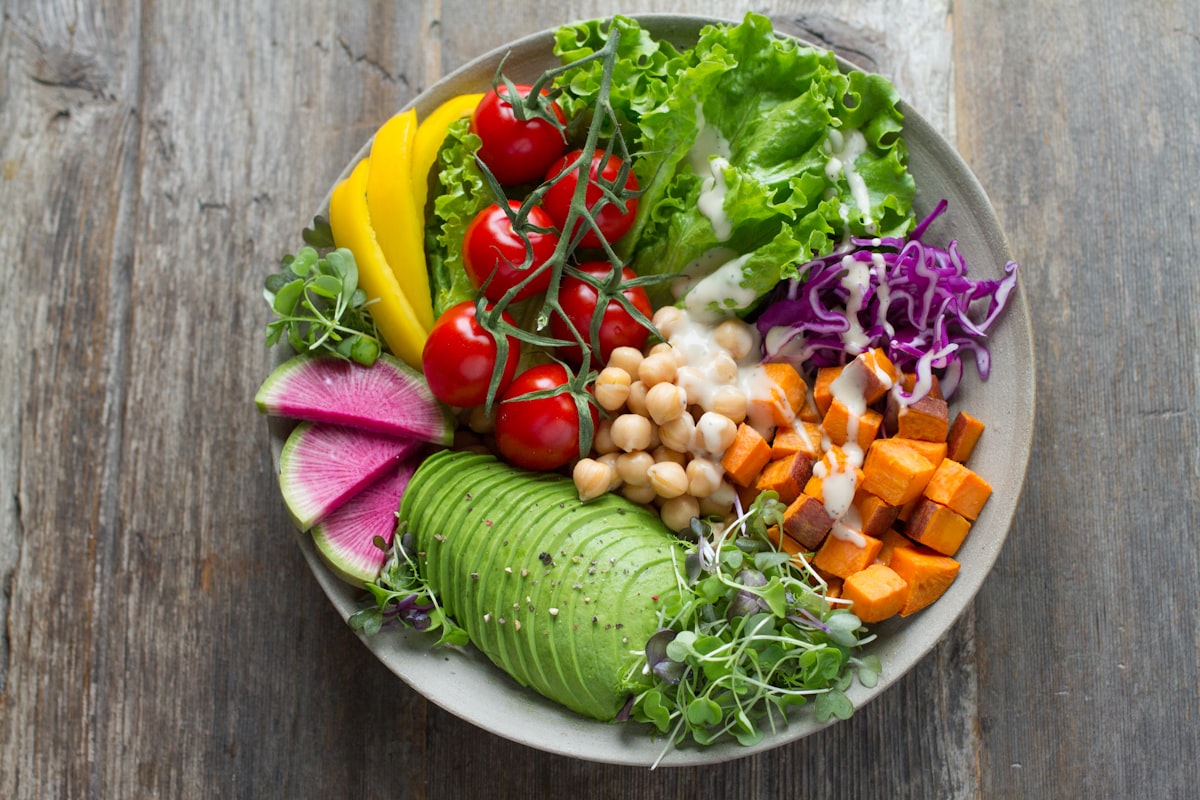
The real nutrition difference comes from checking labels, choosing the right fuel, and avoiding the foods that block your results.
If you are not reading the label before you consume, you are guessing your intake—and that guessing costs you time, strength and visible progress.
What you get
Simple nutrition, strong results
- Personalized macro targetsBased on your body, goals and daily habits so you eat for results without overcomplicating it.
- Meal ideas and swapsPractical food options you can use at home, at work, and on training days.
- Recovery nutritionDaily fueling that supports muscle growth, energy and improved workout performance.
The process
How nutrition works in FRB coaching
Assessment
We review your daily routine, food preferences and training load to build a plan that fits your life.
Meal strategy
You get a flexible nutrition plan with food options, portion cues and timing guidance—not a rigid diet you can’t follow.
Adjustment
Each week we refine your intake based on energy, recovery and progress, so your coaching stays on track.
Goal-focused fuel
We design nutrition around whether you want to lose fat, build muscle or improve recovery, so every meal supports the exact outcome you want.
Easy habits, real food
Nutrition is built on simple meal patterns, grocery choices, and small habits that stay sustainable even when your week gets busy.
Progress tracking
Weekly check-ins mean we adjust calories, macros and meal structure based on how your body is responding, not on guesswork.